 Twilight OrderTwilight Order✦ Twilight Order ✦ Celestial & Master Codex · unified edition v27
Eleven prequel novels, from the Void before the first star to the night the capital rang · October 16, 2026
Eleven prequel novels cover the Deep Timeline in order, from the Void before the first star to the night an eleven-month-old rang a kingdom like a bell. Books III and IV run in parallel (the Kynari and the Saurai sides of the Great Shift); every other book ends before the next begins, and the last one ends on Riven’s clock. Together they are the history the present-day cast walks into without knowing.
Three rules hold the cycle together:
Per the Great Shift codex, nobody arranged the Twilight Order. These books show how the inheritances formed; they never show anyone planning the cast.
Each novel is built to pay off one thing the Master Codex already states as fact (the Nomad Oath, the Jackals’ founding, the Pale Choir violation) and to leave it exactly where the codex found it.
Each book is told from inside one culture of the Atlas of the Eight Peoples, so the cycle doubles as the realms’ lore bible in story form.
The ribbon is not to scale: Books I and II span eons, Book X about three centuries, Book XI one generation. Books III and IV share the Great Shift from two sides. Each other book ends before the next begins, and Book XI ends where Book Zero opens.
Two strands in alternation. Aethernox, narrated in the register he adopts rather than the one he is, shrinking as the book goes on. And the first Kynari, from a hill clan reshaped by an Elohim adaptor to a failing pack led by a matriarch, growing from registry entries into a people. Luxen, the lamp, crosses both.
A market child insults a dusty stranger. Luxen says: take a harmless name and keep it. “Gingey,” he says. The first of Luxen’s 10,000 Incorrect Depictions is sketched in the margin of the last page.
Nyxarion as a returning antagonist; the rebuilt Void Legion; the Stranger’s Mercy (Book III) as the kind of thing this man does when nobody else will.
Two strands, braided. Strand A is Aethernox: the boundary that lets shape take shape, feared, worshipped and shot at, subtracting himself for ten thousand years until a dog is rude to him. Strand B is the making of the Kynari: the Elohim’s adaptation programs produce beast-folk, the beast-folk have children, and the children change faster than identity, fertility or Anima can hold. The strands are the same story told at two scales: a god refusing a final form, and a people being denied one.
They converge at the Stranger’s Mercy, which is Gingey’s origin as the Unblooded Ancestor and the Kynari’s origin as a people. He remembers helping a frightened family because nobody else was going to. They build a religion on it. The False Void and the Name follow as the book’s last movement, so that the reader meets “Gingey” only after watching what he did when he had no name at all.
The prose shrinks with him in Strand A. Strand B grows: from registry entries to a people with a voice.
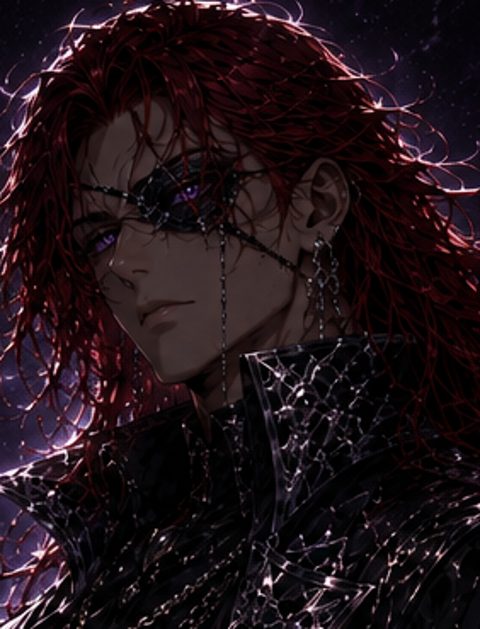
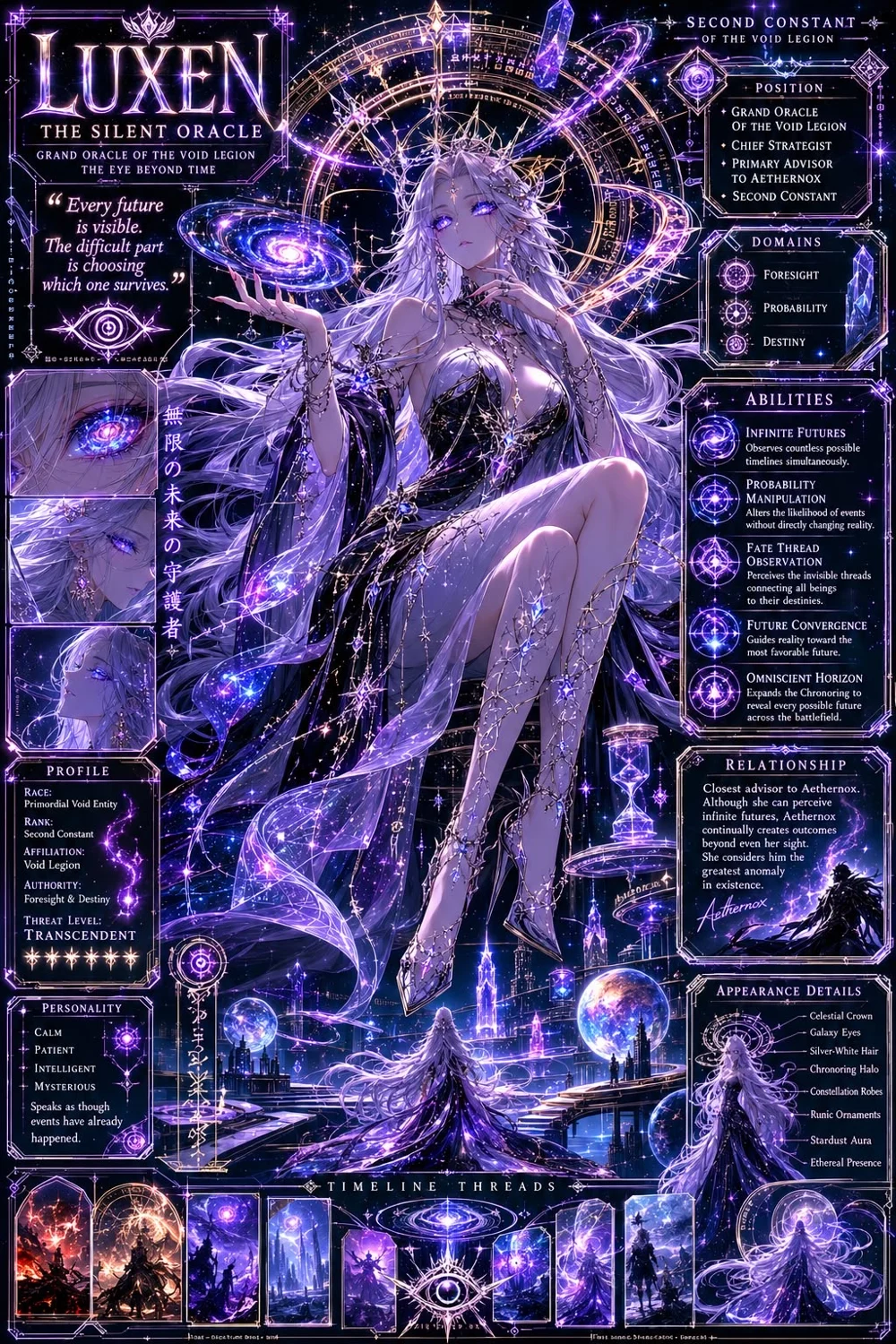
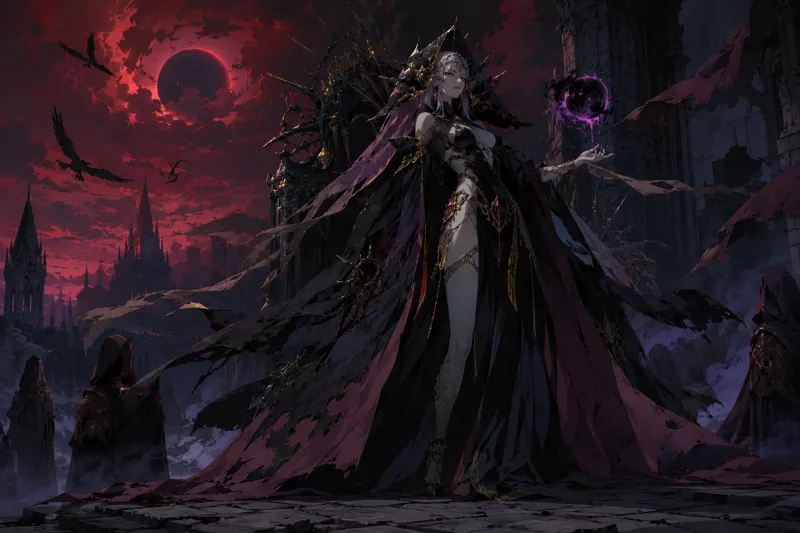
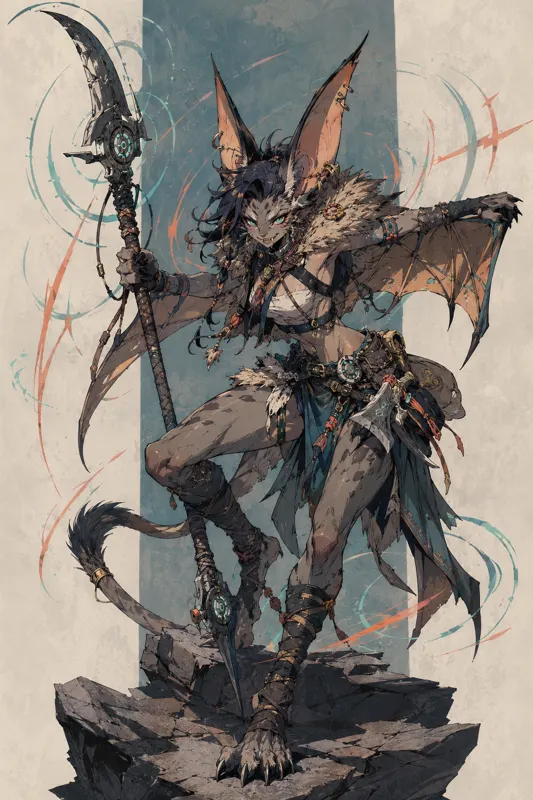
Book III opens on a Kynari people that already exists: Oska’s descendants are Sava’s line, and the Breaking of Names is a people finishing what the Mercy started. Nyxarion’s spiral, the Legion and the silence game return in the present. When Gingey meets Kynari in the main saga, something in them bows and he says “stop that.”
Three braided: Ashael the Ninth Witness; Aurethiel the Transcendent; Kyriel the Star Weaver. A fourth, mortal thread: an unnamed woman of a river kingdom who takes the first Blessing and whose grandchildren are the first Unfinished Children.
The Flaming Sword birth; the first Constructed Sentinel receiving a Mandate; the Harvest order preserving a city without its consent.
Pestilence as predatory correction; Sentinel Mandates that will become Mandate Bloodlines (Arelion, Scribs, Vaughn, Asha, Amelia, Sanaa, Nia, Ixtli); the Pharaoh Realm as the Ninth Wound.
The question every Elohim order asks is what should we make them? The book is three celestial beings slowly learning to ask what will they become? instead, and paying for the change. Its argument, lifted from the Elohim codex: rebellion placed in a weapon can be captured; rebellion placed in birth cannot be enumerated.
The mortal thread keeps the book from floating. Every celestial decision lands on one river family across four generations.
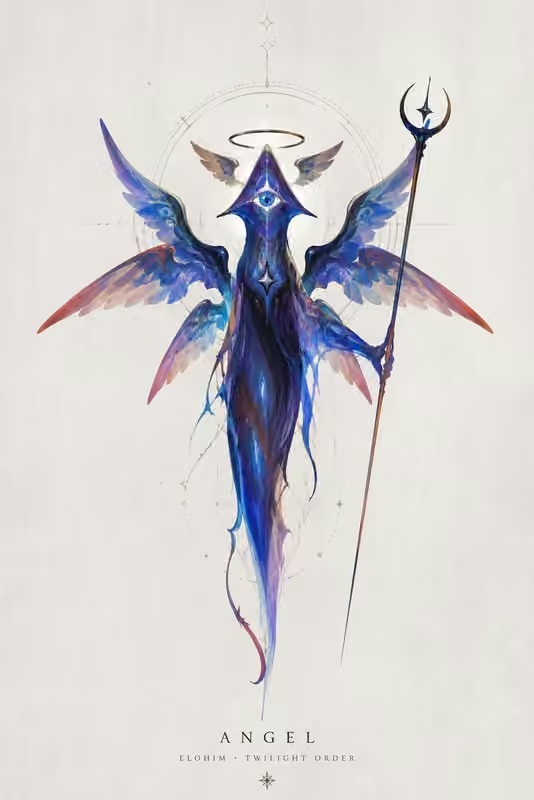
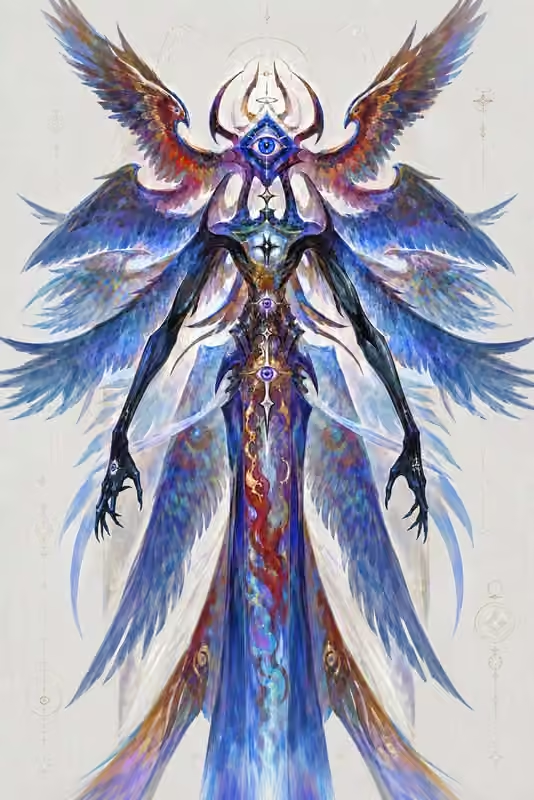
Every Mandate Bloodline in the present cast is a Sentinel introduced in Chapters 6, 12 or 17 at the moment its Mandate is spoken. Riven’s Pharaoh Realm is Chapter 5.
One family across three generations: Sava, registered hunter, the court’s wonder; her daughter Ilun, who founds a school; her granddaughter Asha-of-Nine-Skins, who convenes the first mixed council. A second thread follows a Caelune pack on the night roads, the lineage that will one day feed the Veyr sisters.
A registry burned clan by clan; the first mixed council; the first failed correction rite, and the residue it leaves.
The Caelune packs → Moon-Road families → the Veyr line; the Correction Wars that feed Pestilence; the Many-Pelt Clans and the Chimera Wardens.
“They changed our bodies. We created our people.” The Kynari’s making belongs to Book I; this book opens on a people that already exists and follows one family across three generations: registered as a wonder, raised as a function, grown into a people. The Elohim never appear in person; their registries do. The antagonist is a word, deviation, and the climax is a people choosing a different word.
The Saurai are off the page. Book IV runs beside this one, and the two should be drafted with their calendars aligned so that the Breaking of Names (here) and the first Solar throne (there) fall in the same season.
The Caelune → Moon-Road → Veyr line (Chapter 12; Book X picks it up with Lunari instruction); Var Kheled’s Hundred Migrations (Chapter 13; Book VI); Mother Sava’s law of bodily consent; the Correction Wars feeding Pestilence on the Kynari side as Book IV feeds it on the Saurai side.
Three strands, one per current. Ara-Sahr of the Aru’Sahra, whose Crown Reflex wakes when a mob closes on his village and never fully rests again. Vael of the Vael’Rime, who walks north into cold that should kill her and hears something dreaming under the ice. Kessa of the Sanghavar (provisional), a physician in a poisoned marsh realm who discovers that Anima travels through blood.
The Crown Reflex waking; the first Frost-Reaper lullaby sung to something that could end the world; the first blood-debt collected.
Riven’s route (Aru’Sahra → Solar dynasts → Ara’Kai), Yahia’s (Vael’Rime → Frost-Reapers), Kaisel’s (Sanghavar → Red Coil → Blood Courts). The codex rule holds: their shared ancestry must not be public knowledge at the start of the saga.
“The Kynari change. The Saurai remember.” Where Book III is one family changing across three generations, this book is three branches of one people refusing to change, and the three different worlds that refusal builds. The ancient celestial term is the Continuance: bodies made to carry useful traits across hostile realms and across generations. The novel shows what three kinds of endurance cost: a protection that becomes sovereignty, a vigil that becomes a lullaby, a survival art that becomes a monarchy.
The three strands never meet after Chapter 2. That is the structure’s argument. By the final movement the Solar dynasts, the Ice-Wyrm keepers and the Red Coil houses do not know one another exist, and the codex rule is honored: their shared ancestry stays secret until the main saga earns the reveal.
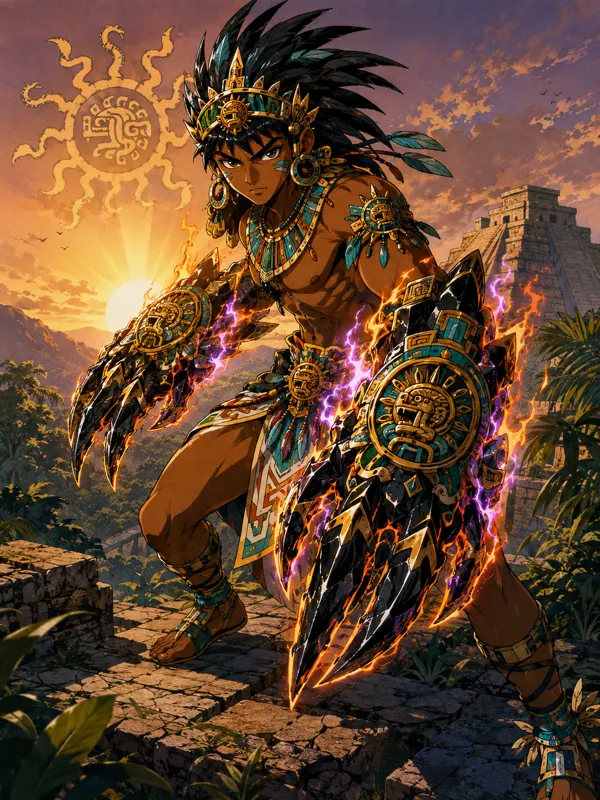
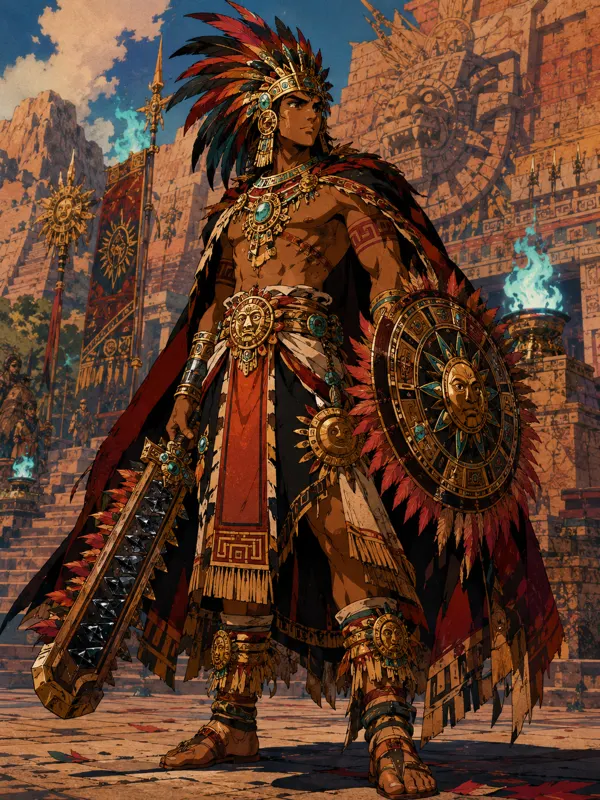
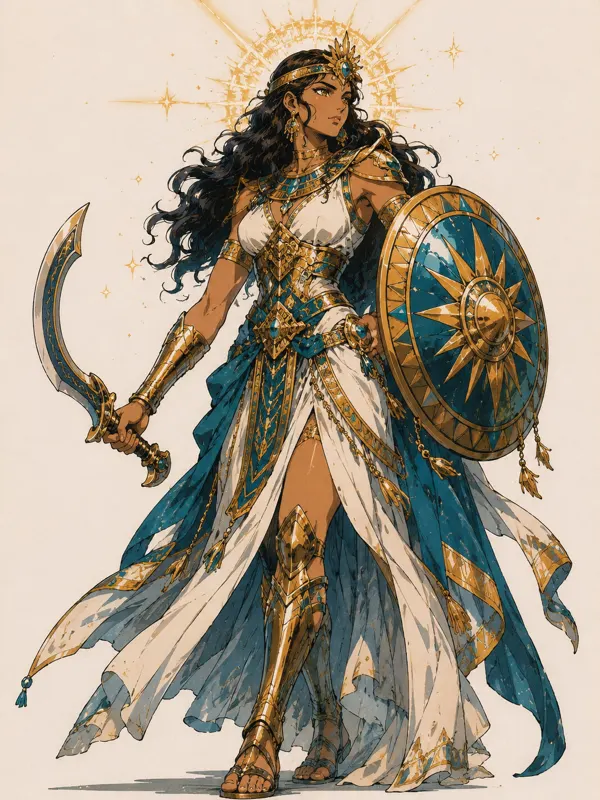
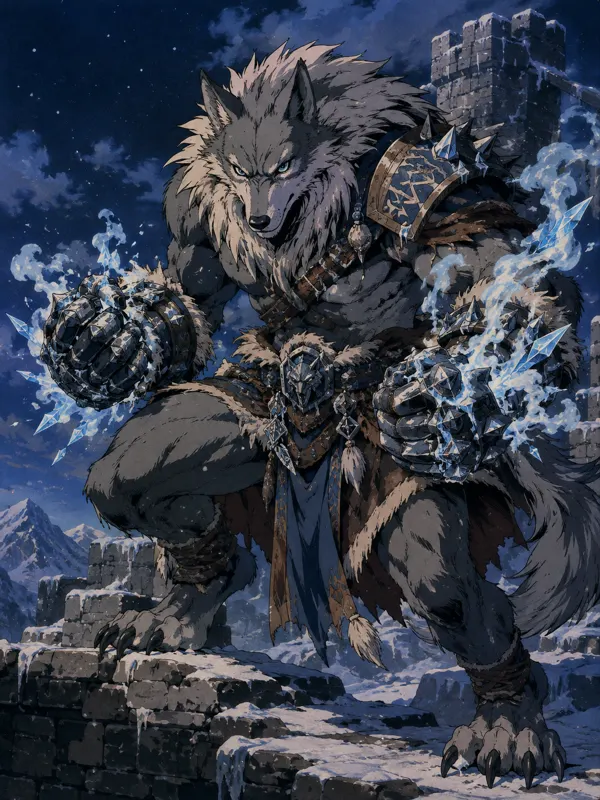
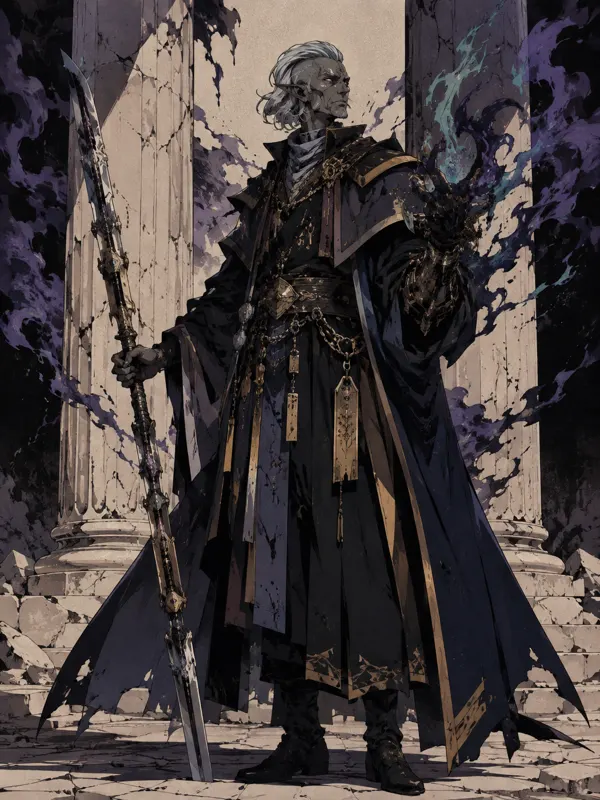
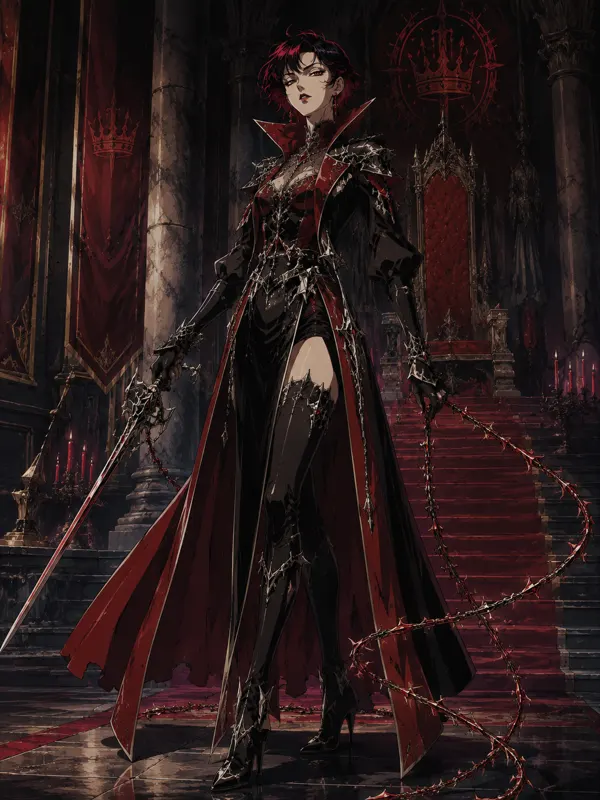
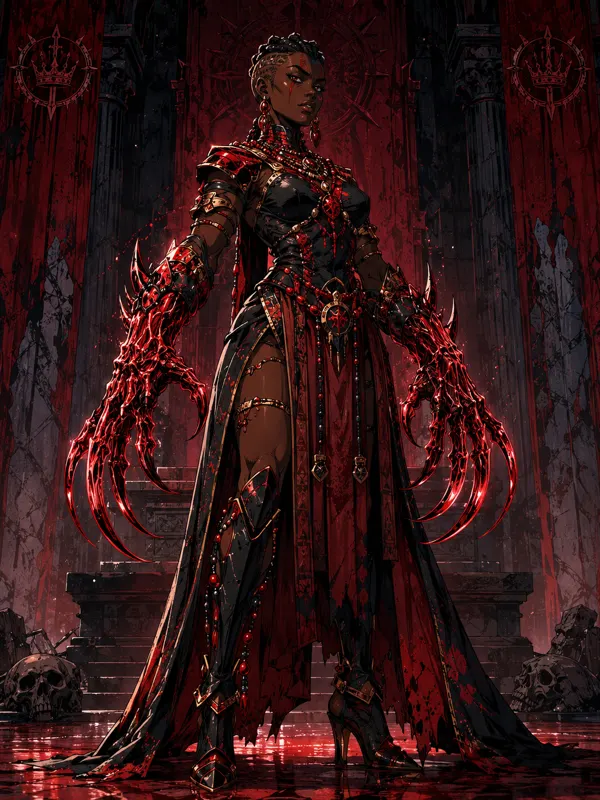
Riven’s route (Aru’Sahra → Solar dynasts → Ara’Kai → Ahk Ra → Khari), Yahia’s (Vael’Rime → Ice-Wyrm keepers → Frost-Reapers → Yukimura) and Kaisel’s (Sanghavar → Red Coil → Blood Courts → Sovereign Clan) all begin here. Ahk Ra (Book VIII) expresses the Continuance as domination; Riven inverts it. Yahia’s Dragon Eye is Chapter 11’s dormant trait pushed to the surface by Chapter 8’s resonance. The reveal that three cultures share one ancestor is reserved for the main saga.
A rotating ensemble that thins as the book goes on. The five who will become the Hollow Family are introduced as ordinary members: a mother who keeps the children calm, a father who keeps the camp quiet, a scholar who records every death, a lamplighter everyone trusts, and twins nobody can tell apart. The reader should like all five.
The Observer’s first chronicle entry in the third person; the Lantern lighting the camp while the camp dims; the Twins switching places for the last time and nobody noticing, including them.
The Nomad Oath (“never leave your name”) as the lesson learned by whoever later finds the site; the Realm of the Wicked King’s throne room (Book IX); Khari’s survival (Book XI) as the only known refutation of what this book establishes.
The cycle’s horror novel, and its shortest. The Veil remembers every life it was never meant to have; this is the life. The book’s rule is that the reader must like the five who remain, so that the Hollow Family in the present reads as a tragedy wearing a predator’s face. Nothing supernatural happens for the first third. The expedition is competent. That is the point.
The Observer’s journal is the frame. Its early entries are first person and frightened; its last are third person and serene.
Names are provisional; roles only are canon.
The Nomad Oath is spoken here only as the reaction of whoever finds the journal. The Kneeling Realm (Book IX) gives the five a home; Khari (Book XI) is the only person ever to walk out of what this book builds.
Four leads, each the figurehead the Atlas names: Mira Senn (Vantari), who destroys the Crown Beacon; Ilyra Venn (Elven), whose memory-crystal lattice carries the dead cities’ scream through the rootways; Var Kheled (Kynari), who leads the Hundred Migrations; Sera Meridian (Veilborn), who founds a city inside a corridor that belongs to no realm.
The Crown Beacon’s last discharge; a Kynari caravan carrying an entire seed-stock ecosystem across a Tear; the first Meridian Sickness case and the first identity-anchoring rite.
The Grey Meridian that makes Vaughn a citizen; the Vantari decentralization that makes the Spire-Halls’ later calibration doctrine a betrayal; Pestilence’s great feeding ground.
The cycle’s war novel, built as four novellas that converge. Each lead loses the thing that made her people powerful and chooses what to keep; the Atlas already names what each kept (Sealed Memory, a road with no owner, bodily consent, neutral passage). The book earns those principles by making the reader watch them cost something.
The Titans are never POV and never fully seen: a Titan battle is a landscape changing. Ashael’s self-sacrifice as a living nexus is the hinge of the middle movement and is witnessed by all four leads from four realms at once.
The Grey Meridian (Vaughn), the Vantari decentralization the Spire-Halls betray (Arelion, Kirshino), the Frozen Sea’s resonance met by Vael’Rime descendants during the migrations (Yahia), and the Titan fragments entering bloodlines (Amelia, Nia) all land here.
Dena Marr, organizer of the first civilian interrealm relief network; Doctor Pell of the Hollow, first to remove a celestial Mandate from a living mortal; Khor Ash-Tongue, infernal jurist; Mandate-Zero, the Sentinel who publicly renounces a genocidal command. The Nine Clerks appear only as a document that keeps being revised.
Mandate-Zero’s renunciation before the Sentinel Courts; the Concordance Ledger signed; the first Nomad memory-verification of a survivor who returned as someone else.
Khari & Sons as a Nomad anchor; the Restoration infrastructure that the Gilded Jackals will inherit and corrupt (Book VIII); the Equal Scale; the habit of never building culturally homogeneous units, which one day places Cell 9 together.
The book about institutions, which means it has to be the funniest and the most humane in the cycle or it dies on the page. Its thesis is the Great Uncrowned’s: we survive by borrowing the impossible and making it ordinary. The Restoration Covenant is the deliberate achievement; the Nomads are the accident, and the accident outlives the achievement.
Structure: a council story (the Table) braided with a road story (the relief caravans), until the road becomes the thing the Table could not build.
The Jackals’ custody infrastructure (Chapter 6) and the first blank ledger line (Book VIII) are the same impulse at two temperatures. Khari & Sons (Chapter 15) is the shop Riven grows up above. The mixed-unit rule (Chapter 19) is the only deliberate convergence the codex allows.
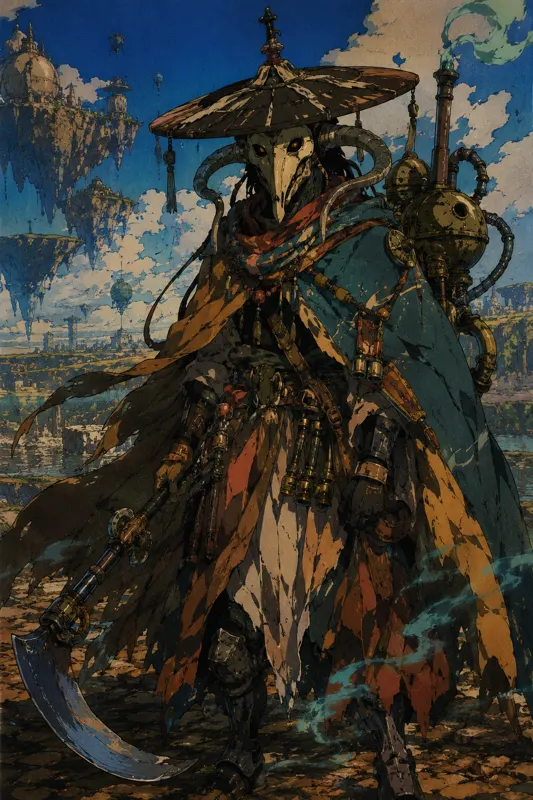
Never Ahk Ra. The codex keeps him undesigned and unseen, and the novel honors that absolutely: he is a shadow burned into stone, vitrified footprints that stay hot, a corridor of glass earth. The leads are the people around the absence: a Sun-Serpent astronomer who first reads the eclipse omen; a royal embalmer of the Ara’Kai line who watches a cousin become something the registries have no word for; and the first custodian, a relic-keeper who takes the vow that founds the Jackals.
The eclipse read from the Temple of Nine Suns; the Pharaoh’s Mantle sealed; the Valley of Crowns receiving a throne with no body.
The Reliquary prophecy Aurel will later show Ixtli; the empty throne hall civilians keep without worshipping; the fear that makes Riven’s four-second pulse an alarm rather than a miracle.
A novel built around an absence. Ahk Ra is never on the page; the codex keeps him undesigned, and the book turns that constraint into dread. Every chapter arrives after he has left. The leads are the three people who have to live with the hole: the one who read the omen, the one who was related to him, and the one who has to lock the door afterward.
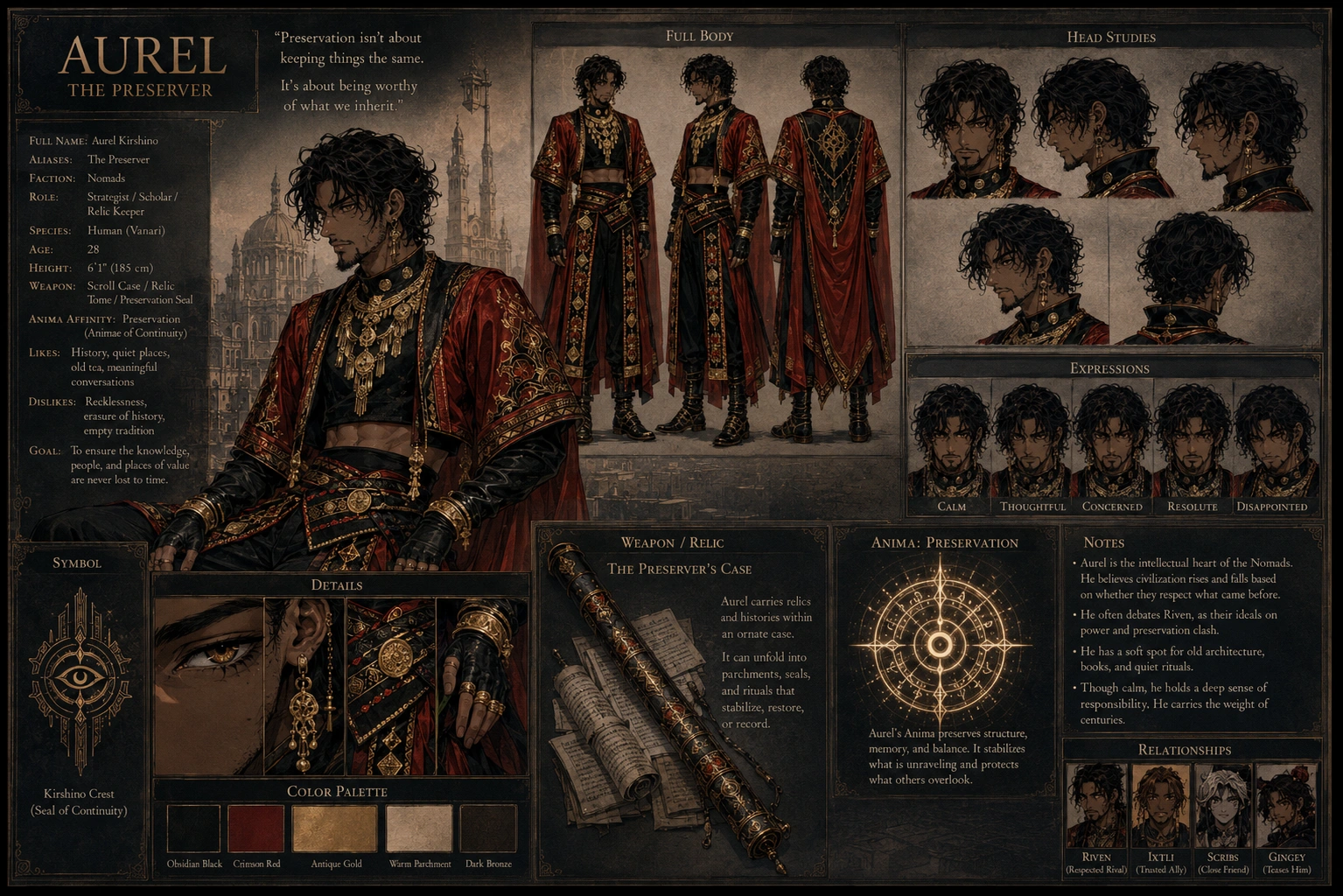
Ruling applied: the first custodian founds the office Aurel Goldfang will one day hold, not his bloodline. Aurel inherits a chair, not blood, which keeps the predestination rule clean and makes his corruption of the office a choice rather than fate.
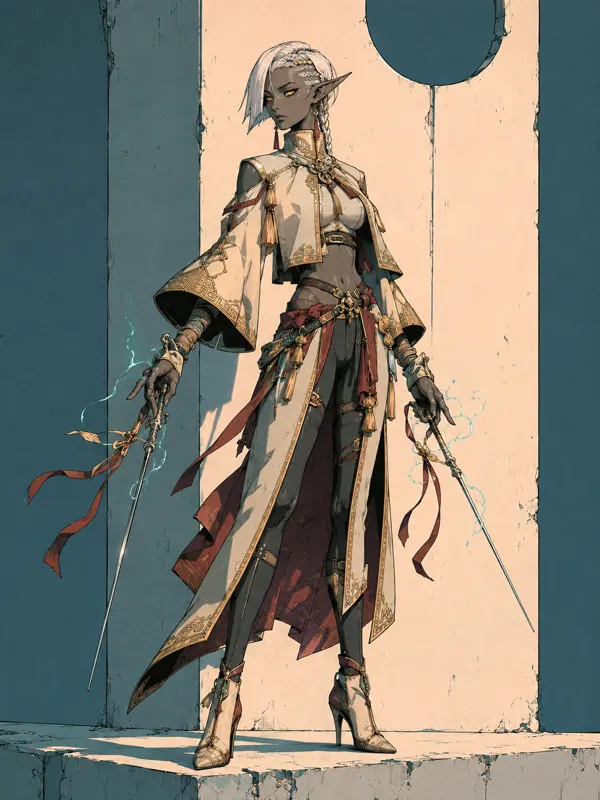
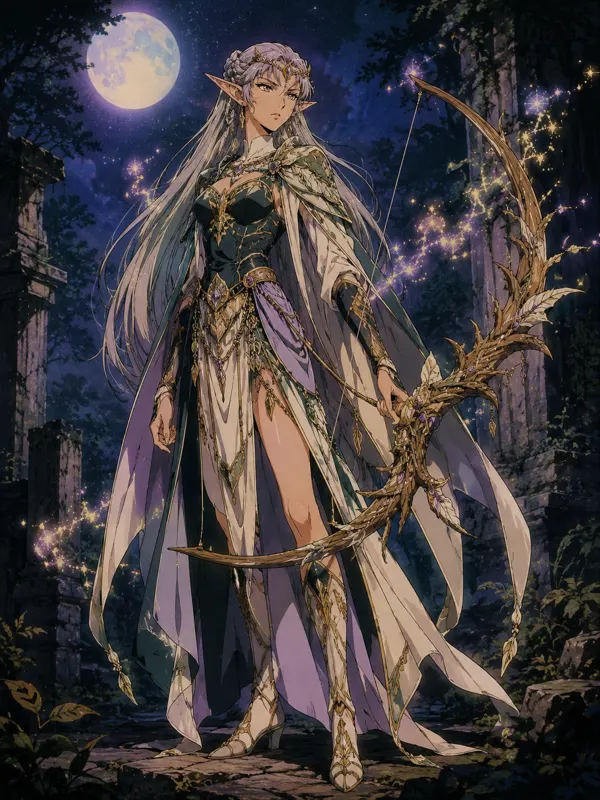
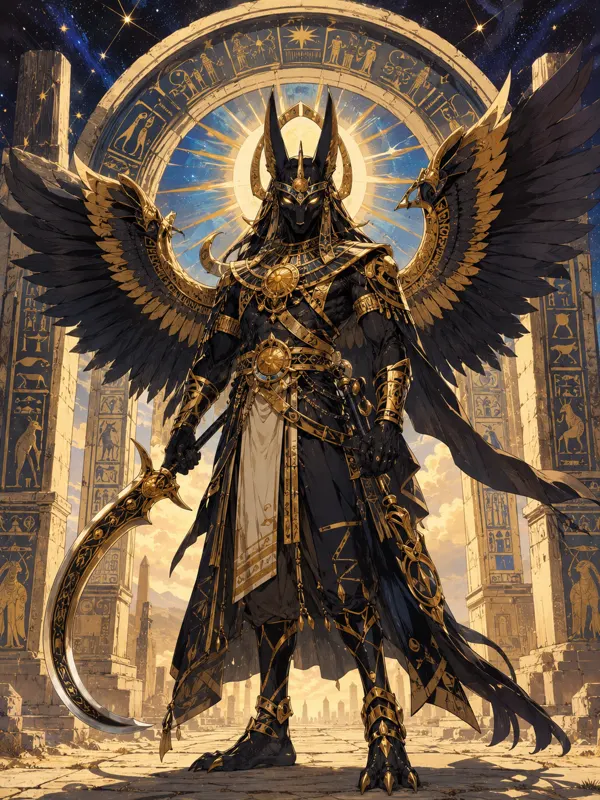
The Reliquary prophecy, the Eclipse Registry, the empty case reserved for “the kid with the blue fire”, the empty throne hall civilians keep without worshipping, and the fear that reads Riven’s pulse as an alarm all originate here. The office-not-blood ruling means Aurel’s provenance file on Riven is institutional memory, not inheritance.
Two novels in one binding, told in alternation. The court half follows the king’s chronicler, who is being written out of his own record as the king feeds. The Kynari half follows a Many-Pelt matriarch during the Red Autumn, who hears her cubs calling from the Crimson Veil and knows, and goes anyway.
The court’s oldest ritual: one empty place at the high table, dressed in dusk-gold, for a guest the king insists is coming. The chronicler, who no longer has a name, dates the entry. It is eleven months before a child in the Pharaoh Realm runs a fever.
The only Red Zone with a throne, and therefore intent; the eclipse-marked Client’s refusal of commissions that route through here; the invitation whose season is still an open ruling.
Two novels in one binding, alternating chapter by chapter: a court that feeds itself to the Veil in the order its king chooses, and a Kynari kingdom that follows its lost cubs into the red. The thesis is the Wicked King’s own line, turned inside out: a name is a handle by which others may grab you, and the book shows what a people becomes when nobody can be grabbed.
Ruling applied: the closing entry is dated eleven months before Riven’s birth. The place setting is older than the child, not older than his Awakening.
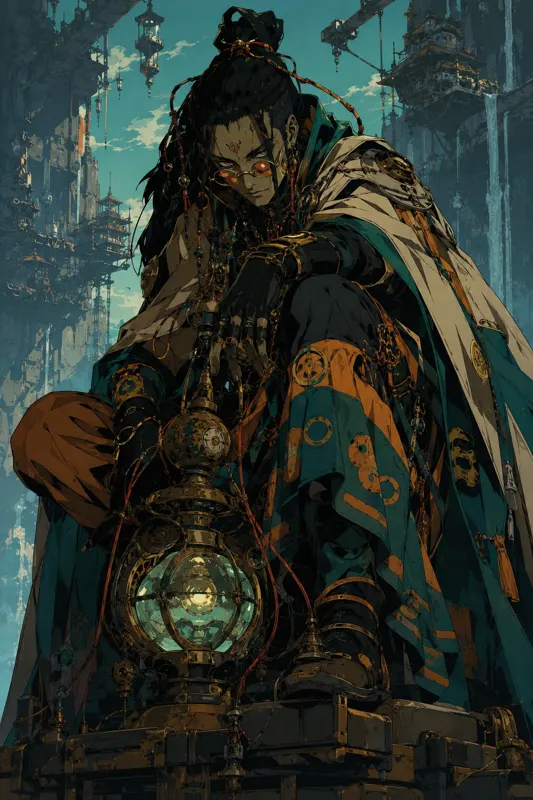
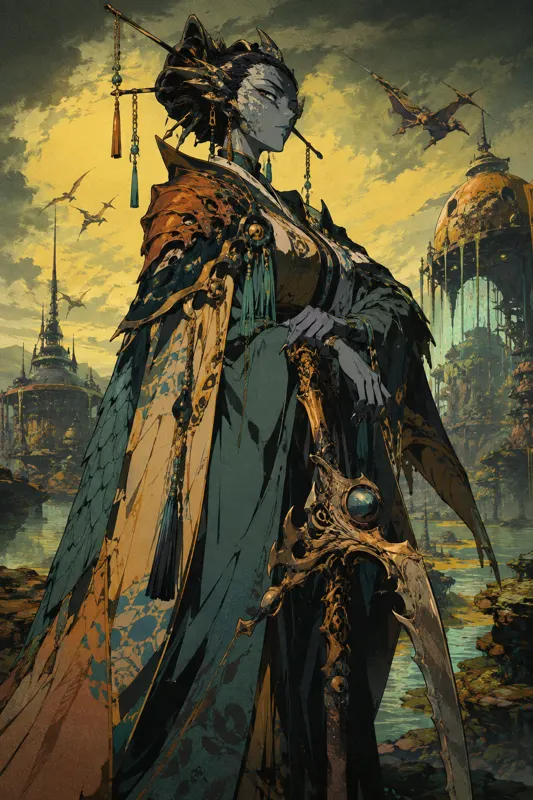
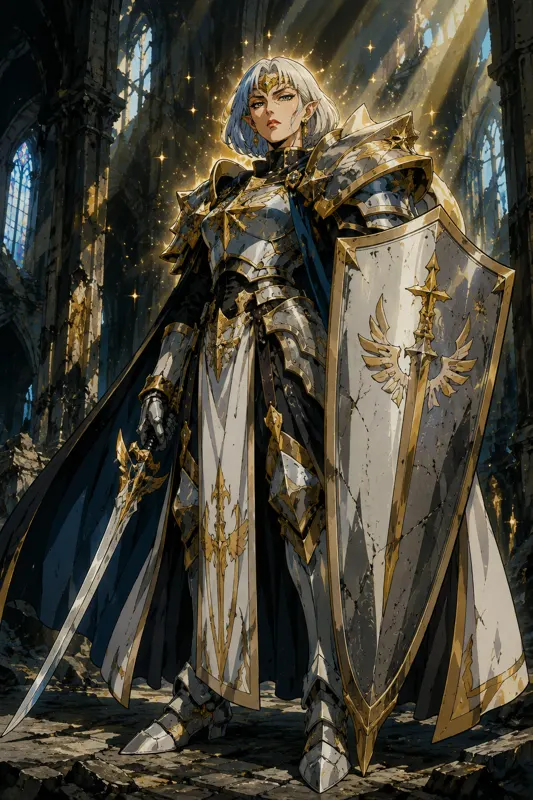
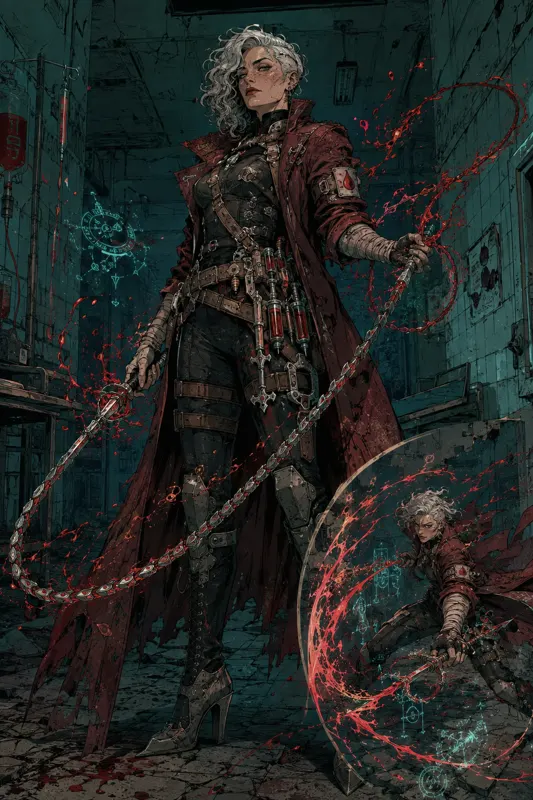
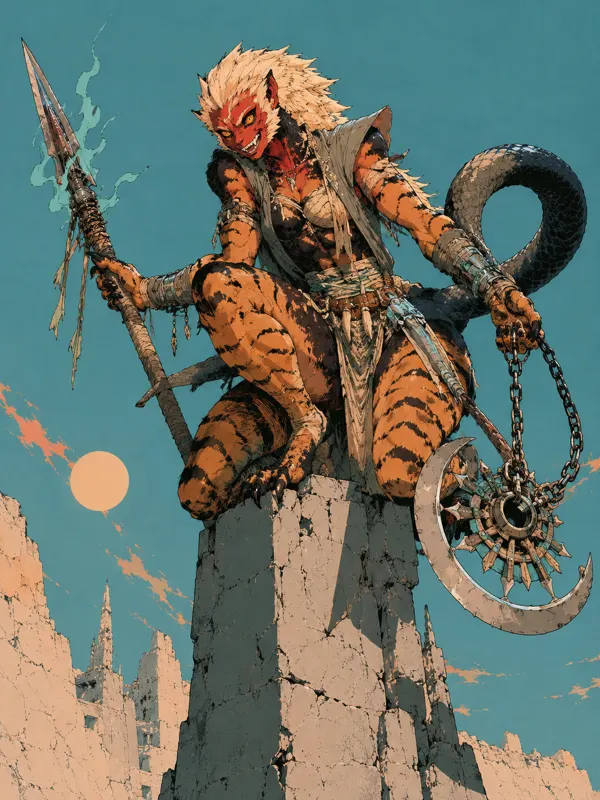
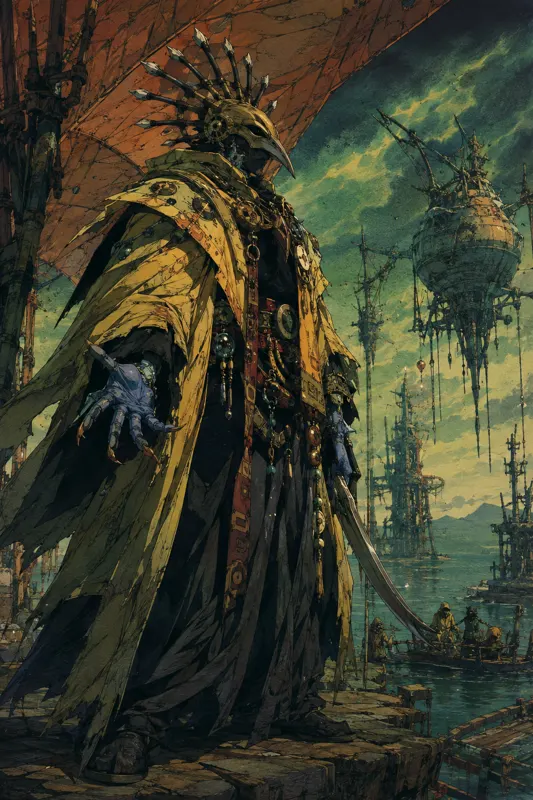
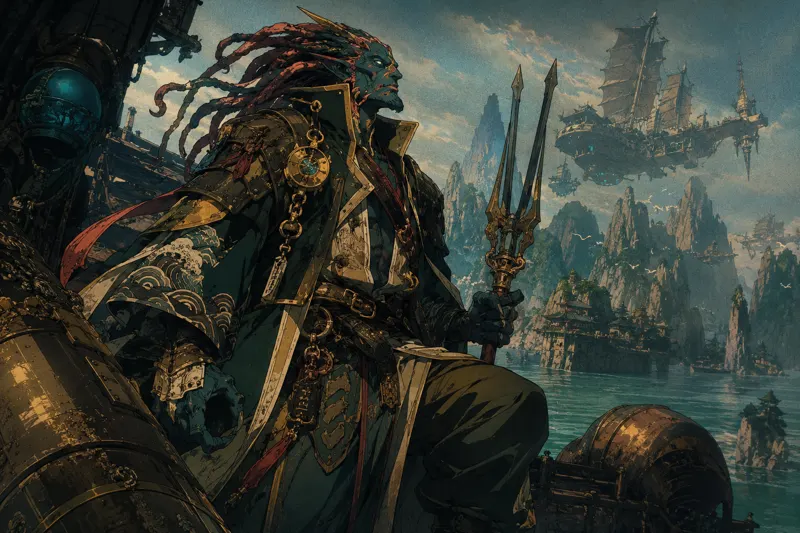
Agent Imre’s Nomad addendum opens and closes the book: Horizon 5+, DO NOT ENTER, the only Red Zone with a throne and therefore with intent. If you hear an invitation, you are already inside.
The eclipse-marked Client refuses commissions that route through here; a banquet-note may lie beneath Amelia’s Ninth Cup; the season that hosts the invitation remains the one ruling this book leaves open on purpose.
Loom-Mother Ysalen, young (the codex gives her about 900 years in the present; here she is a weaver who has just finished her first guardian-spirit). A human Moon-Ward route-warden, ancestor of the Veyr line, who signs the first pruning contract and believes it is mercy. A brief Blood Court thread: Christina Alistair handing Adair a crimson bookmark at the unlocked gate. A single chapter in Vael’Thyr: a child named Elara draws a door in a shaking hand.
The Choir’s first song, sung for a caravan in the dark; the jammed loom; a tapestry-hall sealed with the complete, unedited record inside.
The Lunar Triad (S4 Arc XVIII) as the oath this book breaks; Seth and Anubis as ancient Lunari companion-work; the Moon-Ward burial ledgers that become the Buriers’ Ledger; Elara Ashveil, 183 and overdue, in Vashkarath.
The Lunari’s first law is that a woven protection may never be aimed. The book asks what a people does when the only honest response to a wrong is a war they are forbidden to fight, and answers with the Withdrawal: they close the address. Three cultures fall or split in the same season (Lunari, Blood Sovereign, Vael’Thyr), so the book reads as the Age of Concealment Cultures beginning all at once.
Rulings applied. Christina Alistair is on the page in the Blood Court thread. A seamstress lineage is seeded among the human Moon-Wards as the counter-force Storyline 5 lost in the Lyra rework: the family that stitches wards into cloth rather than weaving guardian-spirits, and refuses the pruning contract.
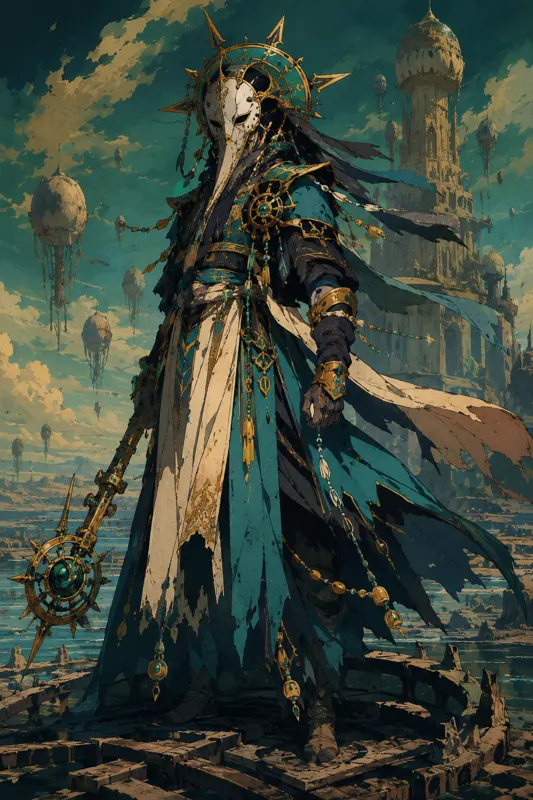
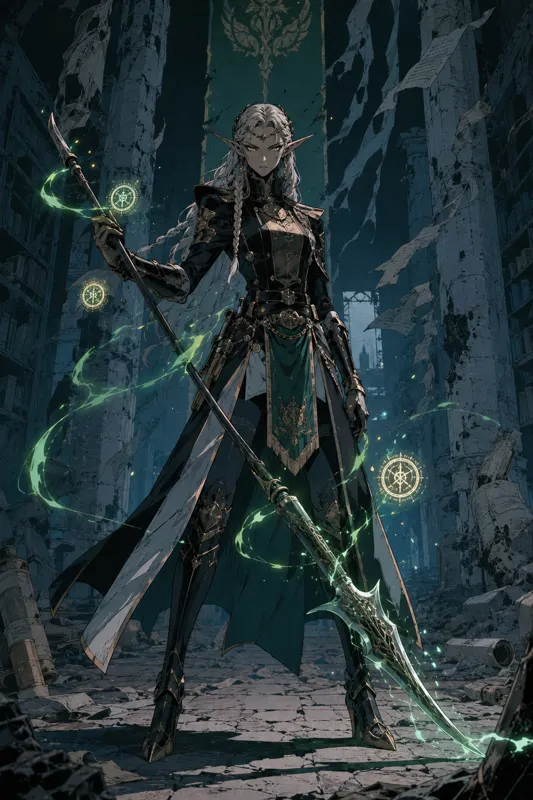
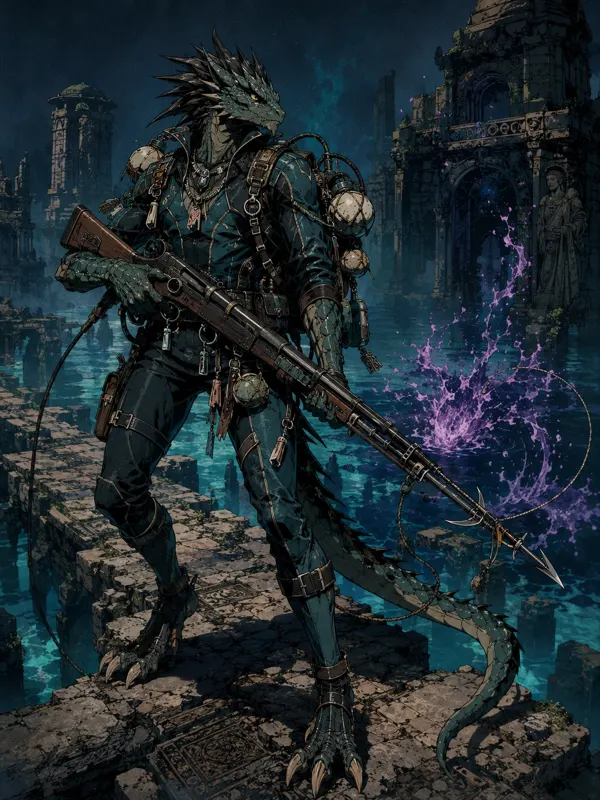
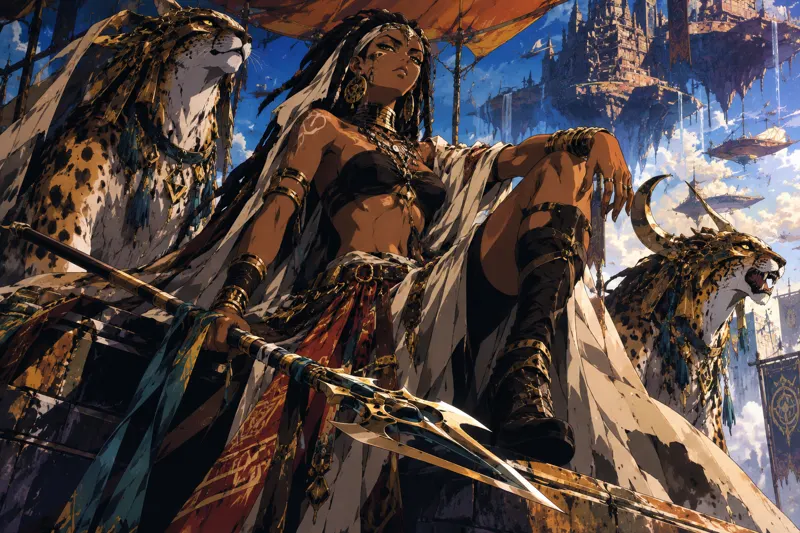
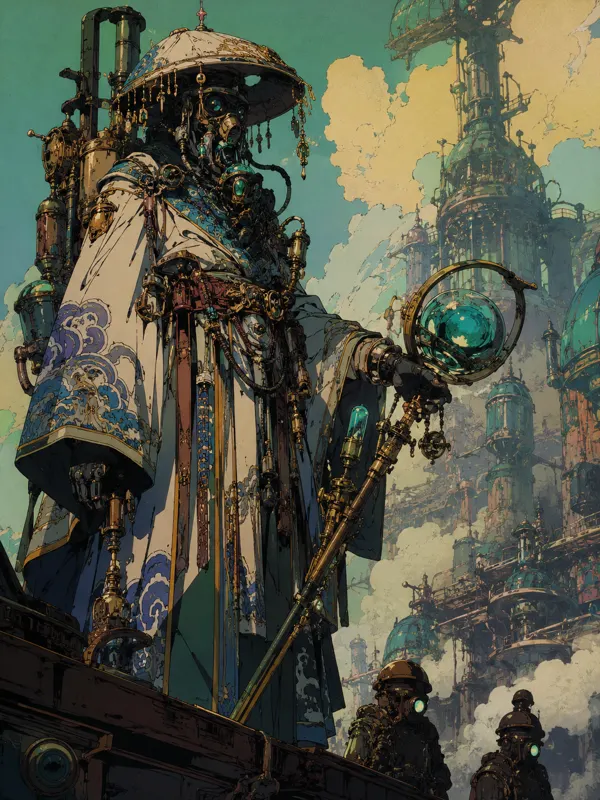
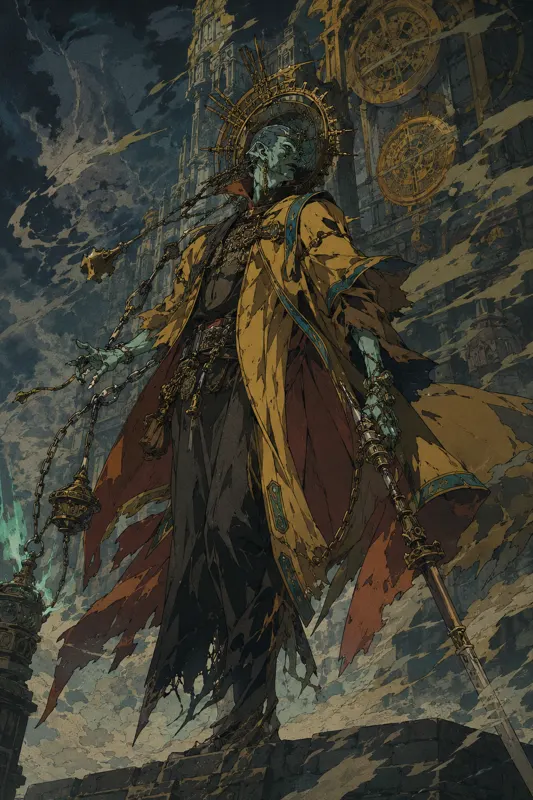
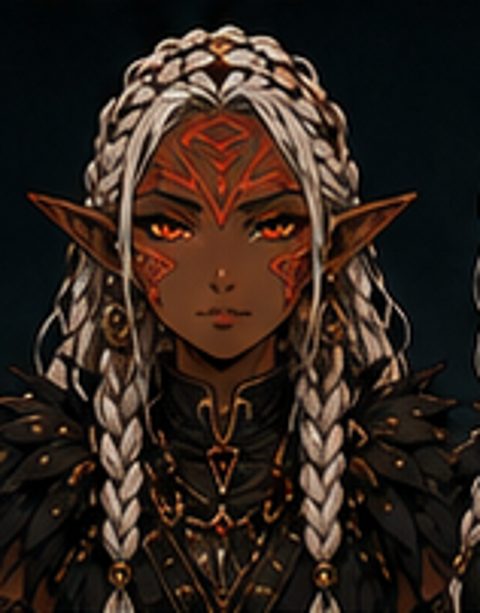
The Lunar Triad (S4) re-swears the oath Chapter 9 breaks; Seth and Anubis are Lunari companion-work of the kind Chapter 5 shows; the Threadwell line is now available to Storyline 5 as the seamstress counter-force and First Needle holder, pending ratification of the name.
Khari and Amara in alternation, with a third strand for the recon unit that enters the Crimson Veil with him and does not come back whole. The book is the cycle’s only one with a conventional romance, and it is the book where the Nomad Oath is finally said by someone the reader has watched earn it.
The low quarter of the capital. A fever. Ash, heat, walls bowing. Four seconds of blue flame cross the city and every relic lights, including the sealed Mantle. Water, tools, awnings and birds answer. Three separate observers log the impossible signal. The Halo Engine speaks the plan: flee to Earth’s shallow Anima, bank the forge, seed a decoy chase. The last line is the first line of Book Zero.
Everything. The flame charm restitched at age nine; Darius Eventide; the phantom sightings of the Long Chase; the Jackals’ blank-space deduction; the father’s lesson that is load-bearing for the whole saga: know who you are before the Veil decides for you.
The keystone’s keystone. Two Nomads become the most famous people alive by refusing to destroy anything, fall in love while finding each other’s legends embarrassing, and have a child who rings a kingdom like a bell. The book’s load-bearing line is Khari’s lesson to his son, spoken here first to himself: know who you are before the Veil decides for you.
Ruling applied: the final chapter and Book Zero’s opening are the same scene from two sides. Book XI ends inside the nursery with the parents; Book Zero opens with the city hearing it. Neither chapter is complete without the other.
Locked visual canon for Khari and Amara is honored by staging their feats through consequence: the empty chair, the refilled pitcher, the hundred-thousandth token, the dull spot on the blade.
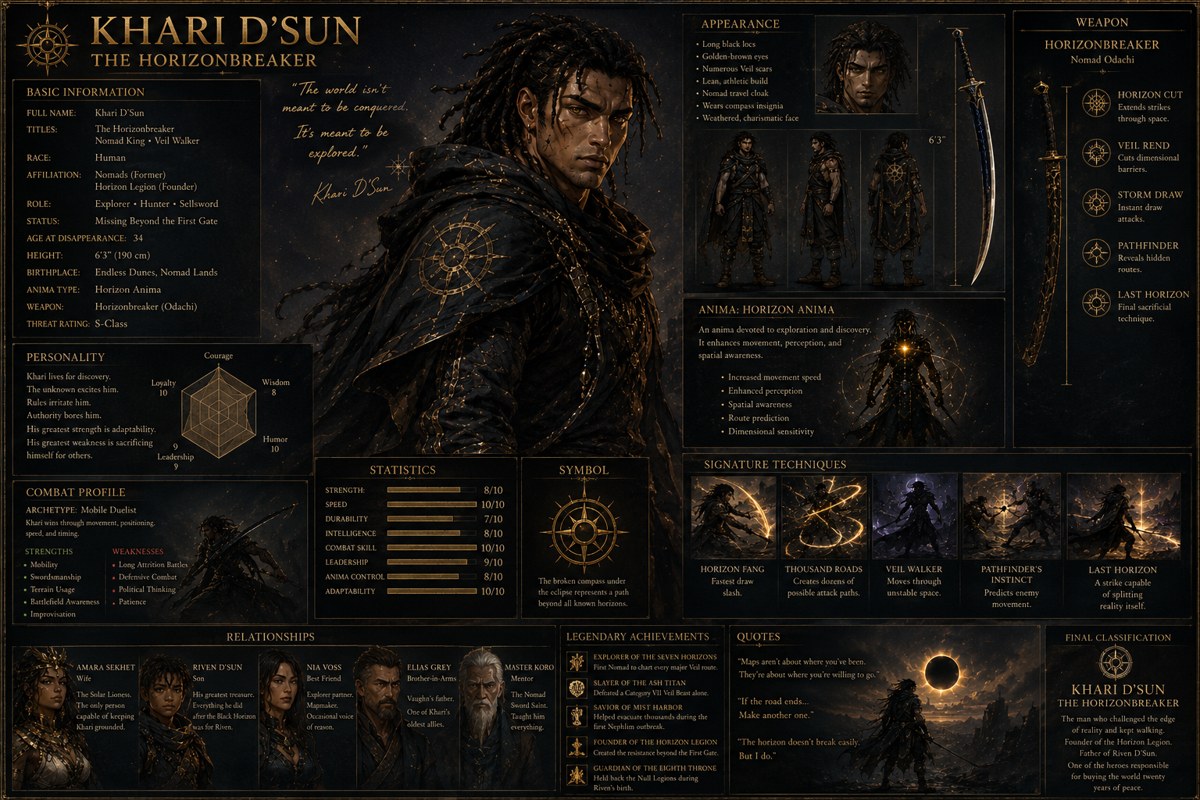
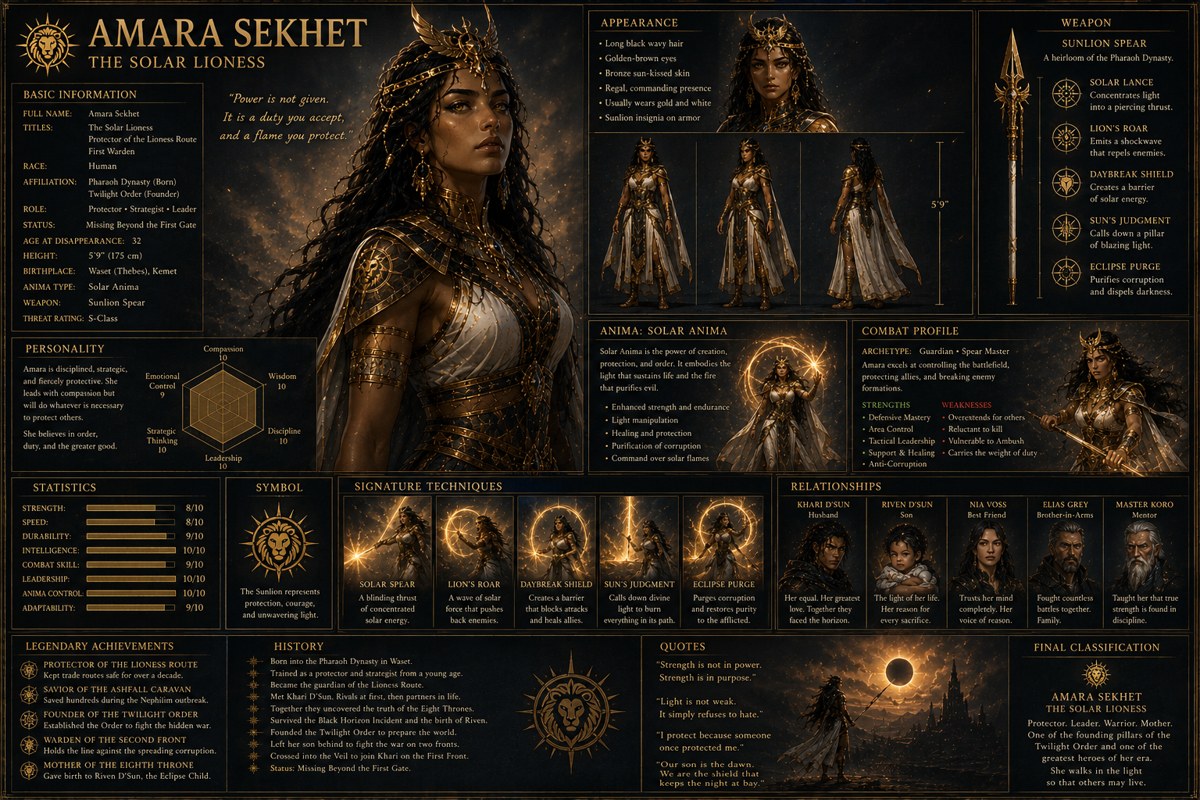
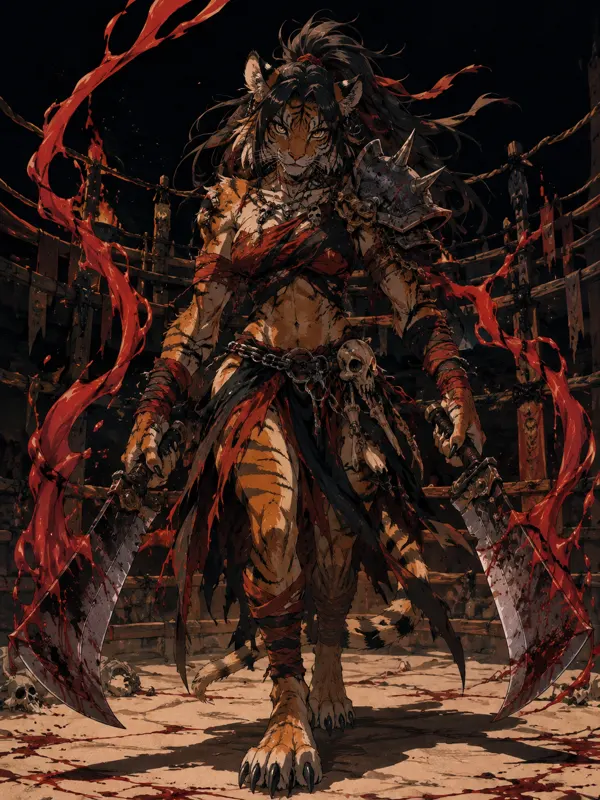
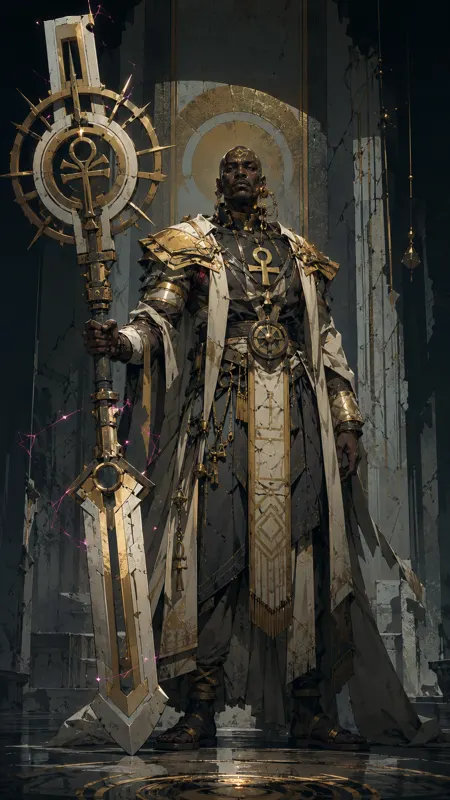
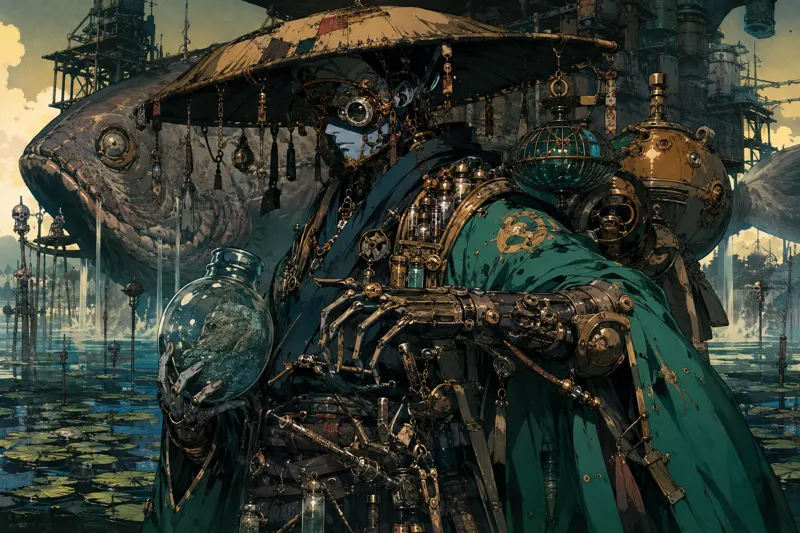
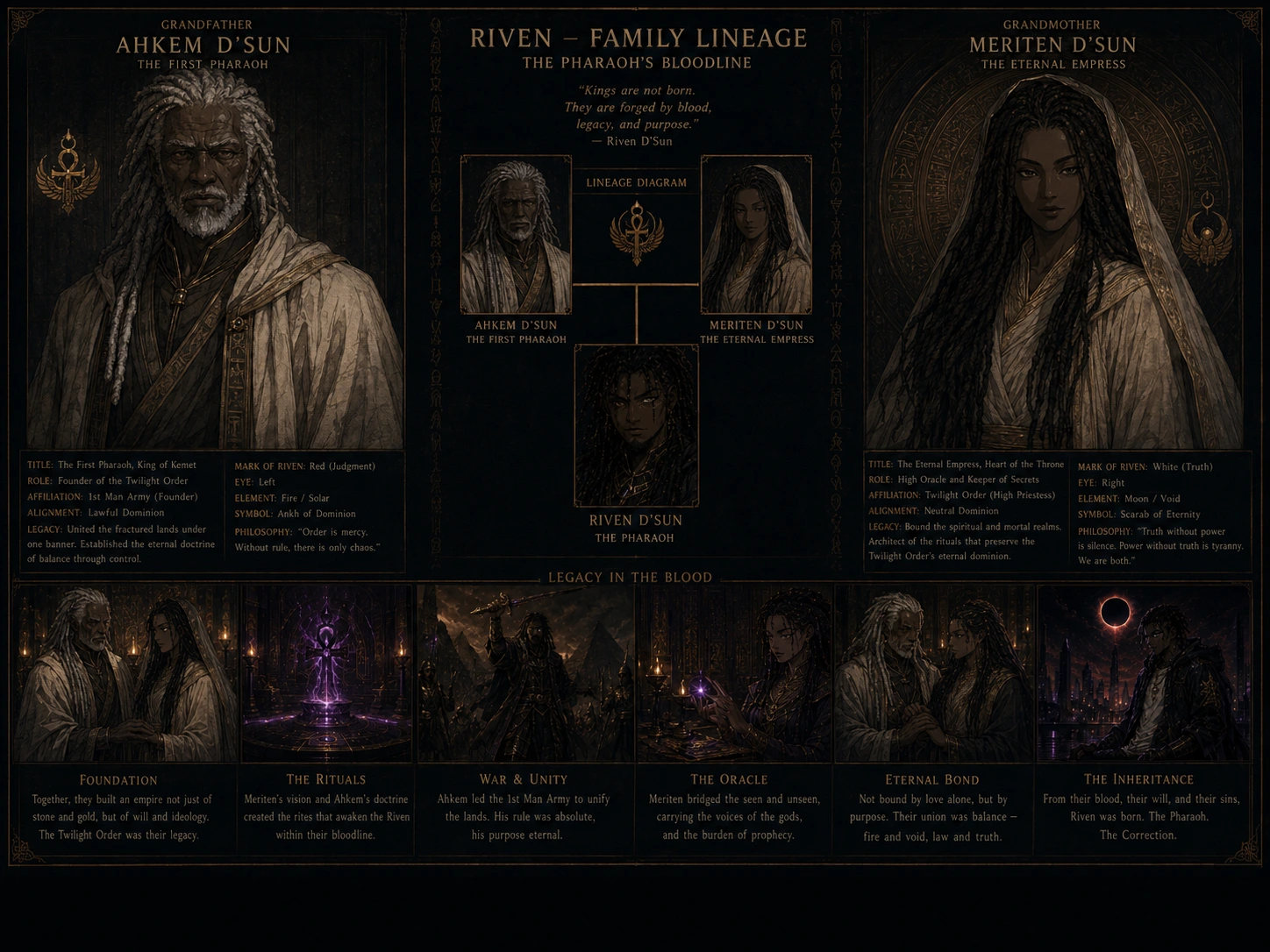
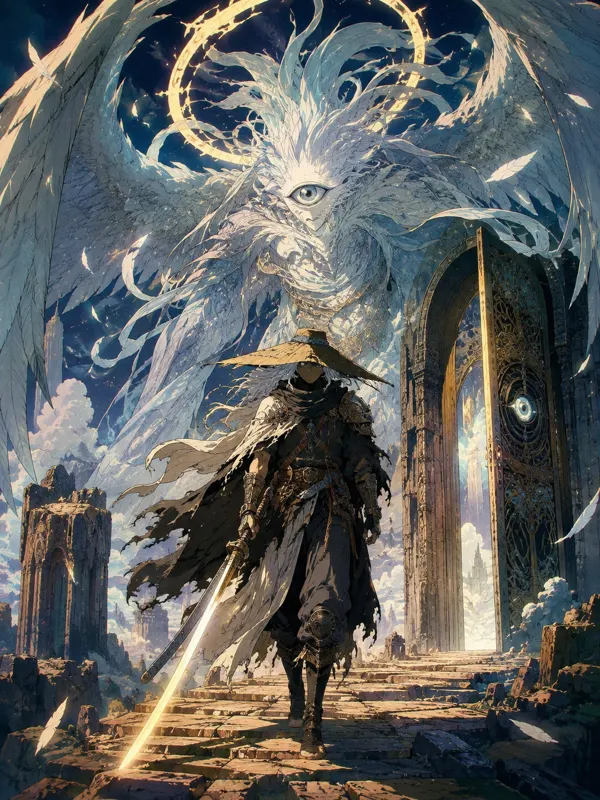
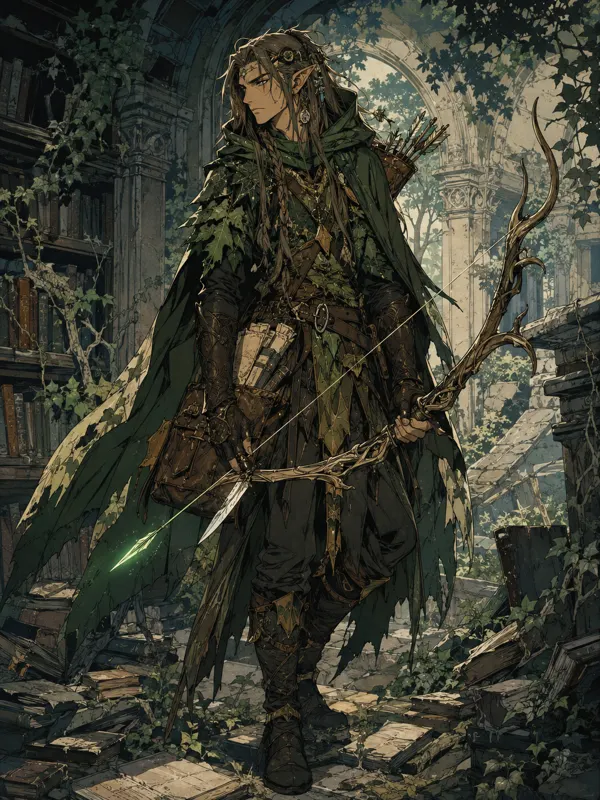
The charm restitched at age nine, Darius Eventide waiting in the shop, the phantom sightings, the blank space Aurel will one day deduce, and the Hollow Mother’s verdict that Riven will have to earn for himself.
Each present-day principal inherits from a specific book; a reader who finishes the cycle recognizes the cast’s powers as history before the cast does.
Write XI first: it is the keystone’s keystone, the cast’s parents are already locked, and it sells the cycle. Then I (Gingey is the franchise’s best-loved voice and the Kynari strand makes it a complete origin). Then VIII, which the Jackal build and the eclipse client both lean on. Then IV, because three leads’ bloodlines depend on it and it should be drafted before any of their mentor books. The remaining seven follow timeline order, with II and VII as the two that most need the Elohim and Pestilence codices open beside them.